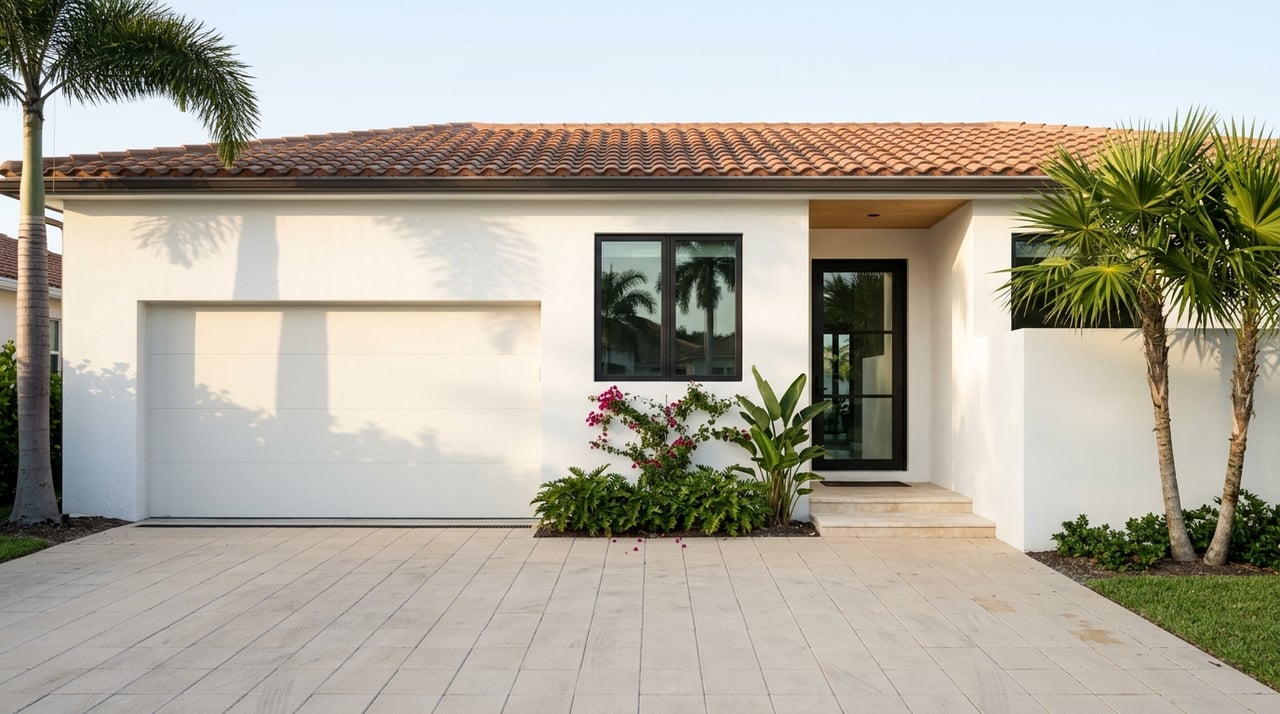
Selling A St. Pete Beach Home In Today’s Market
July 23, 2026
July 23, 2026
If you are thinking about selling a St. Pete Beach home right now, you may be wondering why the process feels less predictable than it did a few years ago. That is a fair question, especially in a coastal market where timing, pricing, insurance, and property details can all shape buyer decisions. The good news is that you can still sell successfully when you understand what today’s market is rewarding. Let’s dive in.
St. Pete Beach is not behaving like a fast-moving seller’s market at the moment. Redfin’s May 2026 data shows a median sale price of $604,638, down 5.5% year over year, with homes taking a median 83 days on market.
That same data shows sellers are closing at 94.1% of list price on average. Multiple offers are rare, and the average home is selling about 6% below list price, which tells you buyers are being selective and price-sensitive.
Recent sales show how wide the range can be even within the same beach community. One property on Gulf Boulevard took 261 days and sold 7% under list, while another on 71st Avenue sold after 90 days and just 2% under list.
The takeaway is simple: your home is competing on specifics, not just location. In St. Pete Beach, view, flood exposure, building details, condition, and pricing strategy all matter.
In a market like this, pricing high to leave room for negotiation can backfire. Redfin reports a 49.2% price-drop rate in St. Pete Beach, which shows many sellers are coming on the market above what buyers are willing to support.
When a listing sits too long, buyers often assume something is wrong. Even if your home is in solid condition, extended days on market can weaken your position and lead to lower offers.
A better approach is to look beyond active listing prices. Closed sale price, days on market, price reductions, and sale-to-list ratio will usually tell you more about where buyers are actually making decisions.
Not every nearby sale is a true comp on the beach. Two properties can sit close together on a map and still perform very differently because of flood zone, elevation, view, building age, or condo rules.
For public research, Pinellas County’s Property Appraiser tools and county public records can help you review sales history and property details. Those records are useful, but they still need careful interpretation in a market where property-specific factors can change value quickly.
Pinellas County’s Realtor market report also notes that seasonal cycles affect sales data. That is why year-over-year comparisons are more useful than reacting to one unusually strong or weak month.
Selling timing matters in St. Pete Beach because buyer traffic is seasonal. Visit St. Pete-Clearwater identifies January through May as high season, with spring vacation around Easter bringing especially heavy beach activity.
Summer remains active, but late summer and fall can feel different. Hurricane season runs from June 1 through November 30, with the greatest chance of storms in August and September.
For sellers, that means late summer and fall can bring more buyer questions about insurance, storm readiness, and potential delays. Winter and spring often line up better with seasonal demand and a stronger flow of out-of-area interest.
That does not mean you cannot sell at other times of year. It means your preparation, documentation, and pricing strategy may need to work harder when weather concerns are more top of mind.
If you are selling a single-family home in St. Pete Beach, buyers are likely to look past finishes and focus on risk-related details. Flood zone status, elevation, storm history, and likely insurance costs often become central parts of the conversation.
The City of St. Pete Beach provides flood-zone information and elevation certificates for properties. The city also notes that FEMA rules govern building in the city, including the 50 percent threshold for substantial improvement or damage in mapped flood hazard areas.
That matters because buyers may want to understand not just the home as it stands today, but also what future repairs or renovations could involve. A well-prepared seller can help reduce uncertainty by having these details ready early.
Florida insurance guidance also says insurers commonly review factors such as construction type, roof age, location, square footage, hurricane-mitigation credits, prior claims history, and prior insurance. Since flood damage is generally excluded from standard homeowners policies, flood insurance often becomes a separate and important part of the buyer’s review.
If you are selling a condo, the unit itself is only part of the story. Buyers often want to understand the association’s financials, building condition, reserves, and any history of special assessments before they move forward.
Florida DBPR guidance says residential condominiums that are three stories or higher must complete a Structural Integrity Reserve Study, and eligible unit-owner-controlled associations had to complete that study by December 31, 2025. The same guidance says reserve studies and structural inspection reports are part of the association’s official records and must be provided to potential purchasers.
That means condo buyers may ask for:
Having this information organized can help your listing feel more credible and easier to evaluate. In a cautious market, clarity can be a real advantage.
Pinellas County data shows the condo and townhome segment is moving more slowly than the single-family segment. In June 2026, condos and townhomes had 7.0 months of inventory and 104 days to sale.
That same report shows 58.9% of condo and townhome closed sales were cash purchases. This does not mean every buyer is an investor, but it does suggest many buyers are experienced, prepared to move quickly, and likely to pay close attention to documents and ongoing ownership costs.
For condo sellers, sharper pricing and cleaner records can make a meaningful difference. If a buyer is comparing several similar units, uncertainty around reserves, inspections, or fees can push your property down the list.
St. Pete Beach continues to attract attention from outside Florida. Redfin search data from early 2026 shows inbound interest coming from places like New York, Washington, and Chicago.
That does not guarantee where every buyer will come from, but it does suggest your buyer may be comparing your home to other second-home or relocation options. These buyers may not know local floodplain rules, condo processes, or coastal insurance details, so clear presentation matters.
When your home is marketed with accurate pricing and strong property information, it becomes easier for an out-of-area buyer to feel confident. In a selective market, confidence often drives action.
Before your home goes live, it helps to think like a buyer. The more unknowns you remove, the easier it is for someone to say yes.
A strong pre-listing plan may include:
This kind of preparation does not just make your listing look polished. It helps prevent avoidable delays once offers start coming in.
In today’s St. Pete Beach market, successful sellers are usually doing three things well. They are pricing realistically, presenting complete information, and staying patient enough to respond to the actual market instead of the market they hoped for.
That approach fits a beach community where one property can outperform another for reasons that are not obvious at first glance. Buyers are looking carefully, and they are often balancing lifestyle goals with practical concerns like insurance, flood exposure, and future building costs.
If you go to market with a clear plan and local guidance, you put yourself in a much stronger position. That is especially true in a place like St. Pete Beach, where local knowledge can shape everything from timing to pricing to buyer expectations.
If you are preparing to sell and want experienced, practical guidance on pricing, timing, and positioning your property, Shirley Rigo is here to help.
Stay up to date on the latest real estate trends.
Experience personalized service, local insight, and a results-driven approach backed by more than four decades of success in the St. Petersburg market.
SHIRLEY RIGO, PA
235 7TH AVE NE ST PETERSBURG, FL 33701